Discover the vibrant tapestry of culture along the Seine
October 23, 2025
In October, hundreds of galleries exhibit at Art Basel Paris, turning the historic Grand Palais into a microcosm of global contemporary art. The influence of the annual art fair radiates across Paris, highlighting the capital’s exceptional cultural ecosystem, as institutions large and small showcase their finest art for a discerning international audience. You can explore some of the city’s most exciting cultural attractions, with highlights ranging from a prehistoric dugout canoe and transportable tabernacle to a hippo bathtub and an homage to the fabric-wrapped Pont Neuf, on Bloomberg Connects.
Petit Palais — Musée des Beaux-Arts de la Ville de Paris
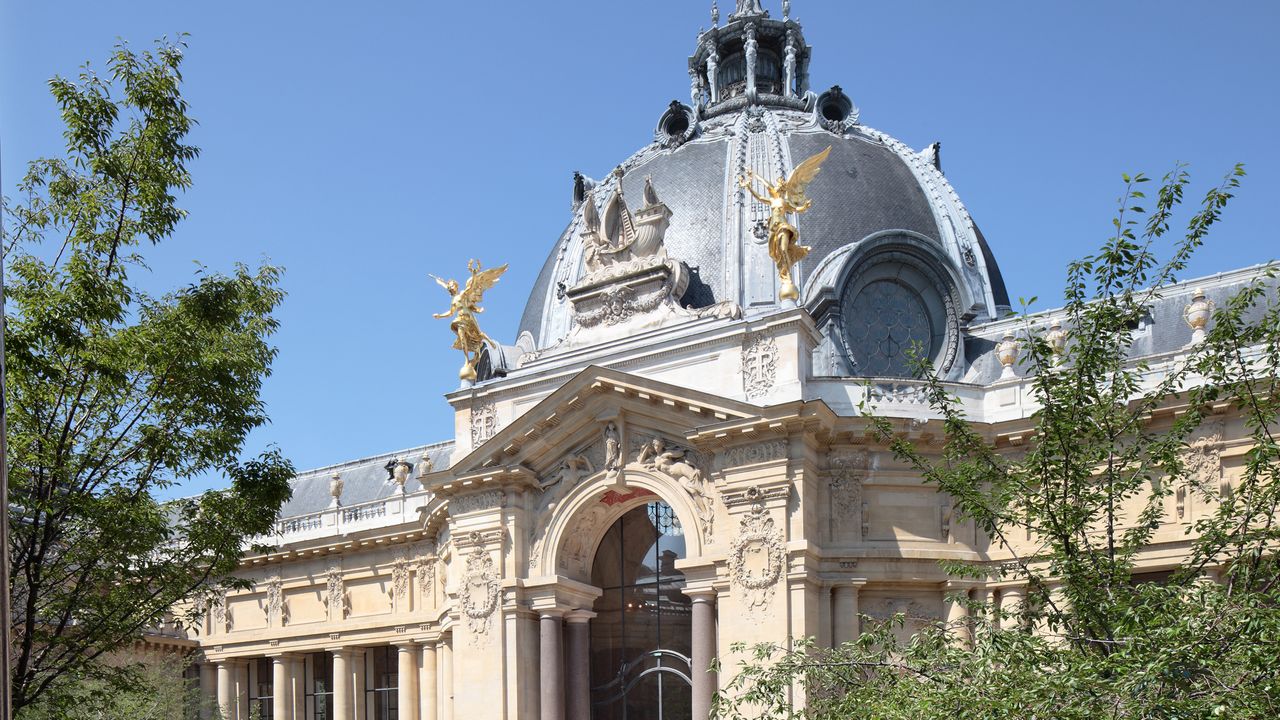
Originally built by Charles Girault for the 1900 Exposition Universelle, the Petit Palais is still standing 125 years later. This architectural gem, featuring a Beaux-Arts cupola and decorative ironwork, is located across from the Grand Palais, within easy reach for anyone visiting Art Basel Paris. The Petit Palais houses the exceptional collection of the City of Paris, with paintings, sculptures, and furniture dating from antiquity to 1914.
What are some highlights to see during a visit to the Petit Palais?
- Rembrandt’s only standing self-portrait, painted when the famed Renaissance artist was just 26
- Masterpieces of French Impressionism, including Claude Monet’s Sunset at Lavacourt and Paul Cézanne’s Portrait of Ambroise Vollard
- Café 1902, featuring vibrant mosaics and painted ceilings, where visitors can enjoy a meal overlooking the museum’s interior garden
What unique content does the Petit Palais guide offer? You can:
- Discover key architectural features, including sculpted busts by Eugène Delacroix and a ceiling celebrating Paris as “the cradle of civilization”
- Meet Sarah Bernhardt, the eccentric theatrical star of La Belle Époque, through paintings, photographs, and her own sculptures
- Learn about the Paris Musées network, which includes 14 exceptional museums across the city
Christo and Jeanne-Claude Foundation
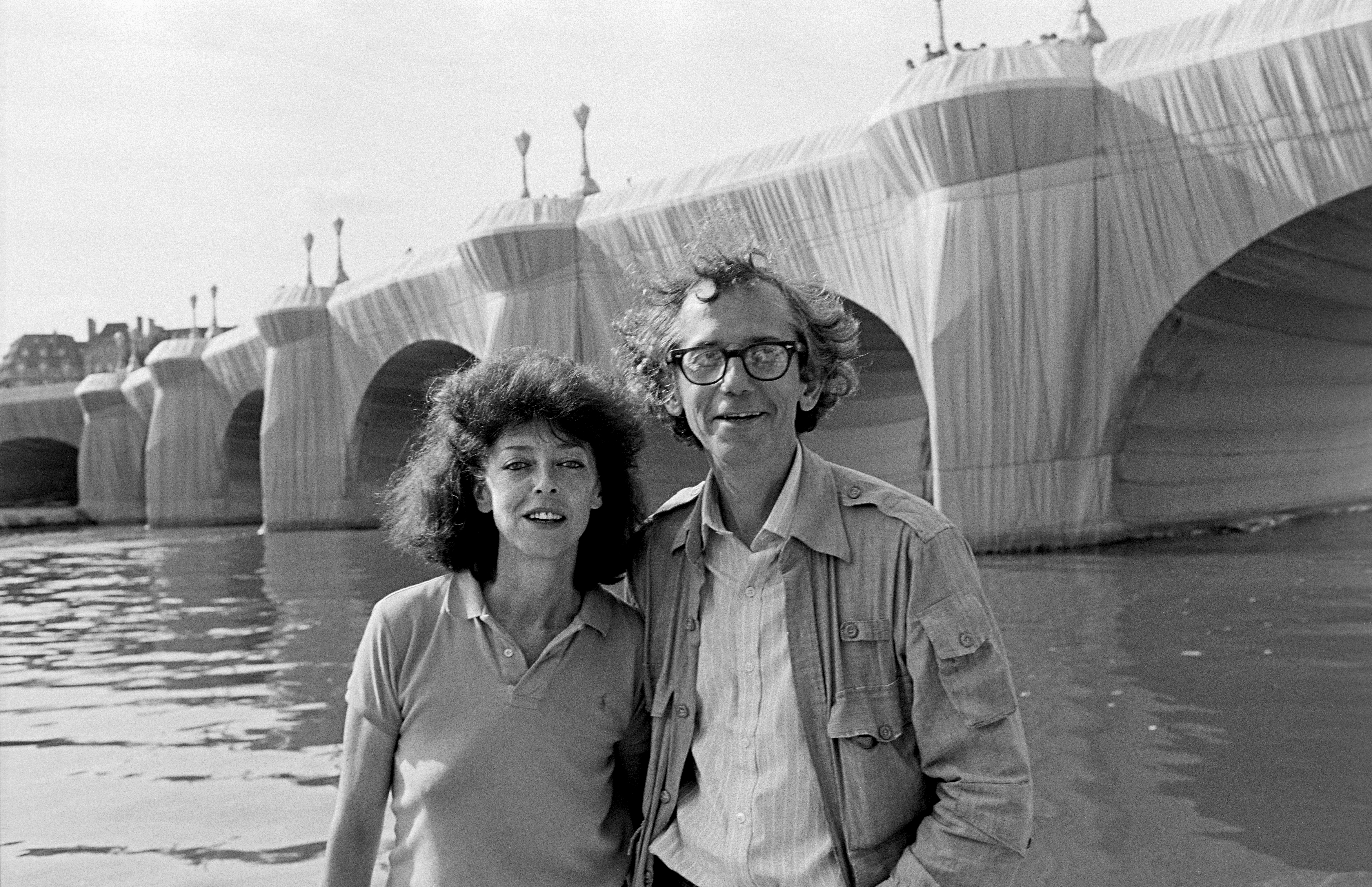
Paris holds special significance in the life and work of artistic duo Christo and Jeanne-Claude, who met in the “city of love” and created some of their most iconic public art projects there, transforming architectural landmarks into fabric-wrapped works of art. In celebration of the 40th anniversary of their Pont Neuf Wrapped, an outdoor exhibition along the banks of the Seine celebrates the artists’ bond with the city, highlighting both their realized and unrealized projects for the French capital until October 30th. There will also be a collaborative project between the artist JR and the Christo and Jeanne-Claude Foundation that will launch in summer 2026. Paying homage to the artist couple, Projet Pont-Neuf is an immersive installation that will temporarily transform the bridge into a rock formation across the Seine.
What are some of Christo and Jeanne-Claude’s past projects in Paris?
- Their 1962 Wall of Oil Barrels–The Iron Curtain blocked off Rue Visconti, a poetic response to the Berlin Wall that had been built the previous year
- Christo’s 1967 plan for Wrapped Statue of Louis XIII, although never realized, introduced the idea of wrapping commemorative monuments into their practice
- Six decades after it was first conceived, L’Arc de Triomphe Wrapped was realized a year after Christo’s death in 2020
What unique content does the Christo and Jeanne Claude guide offer? You can:
- Learn more about Christo and Jeanne-Claude’s artistic partnership and their life together in Paris
- Delve into The Gates, their landmark project for New York’s Central Park, through archival materials, verbal descriptions, and the artists’ own words
- Hear updates on The Mastaba, Project for United Arab Emirates, which, when complete, will be the largest contemporary sculpture in the world
Musée Carnavalet – Histoire de Paris
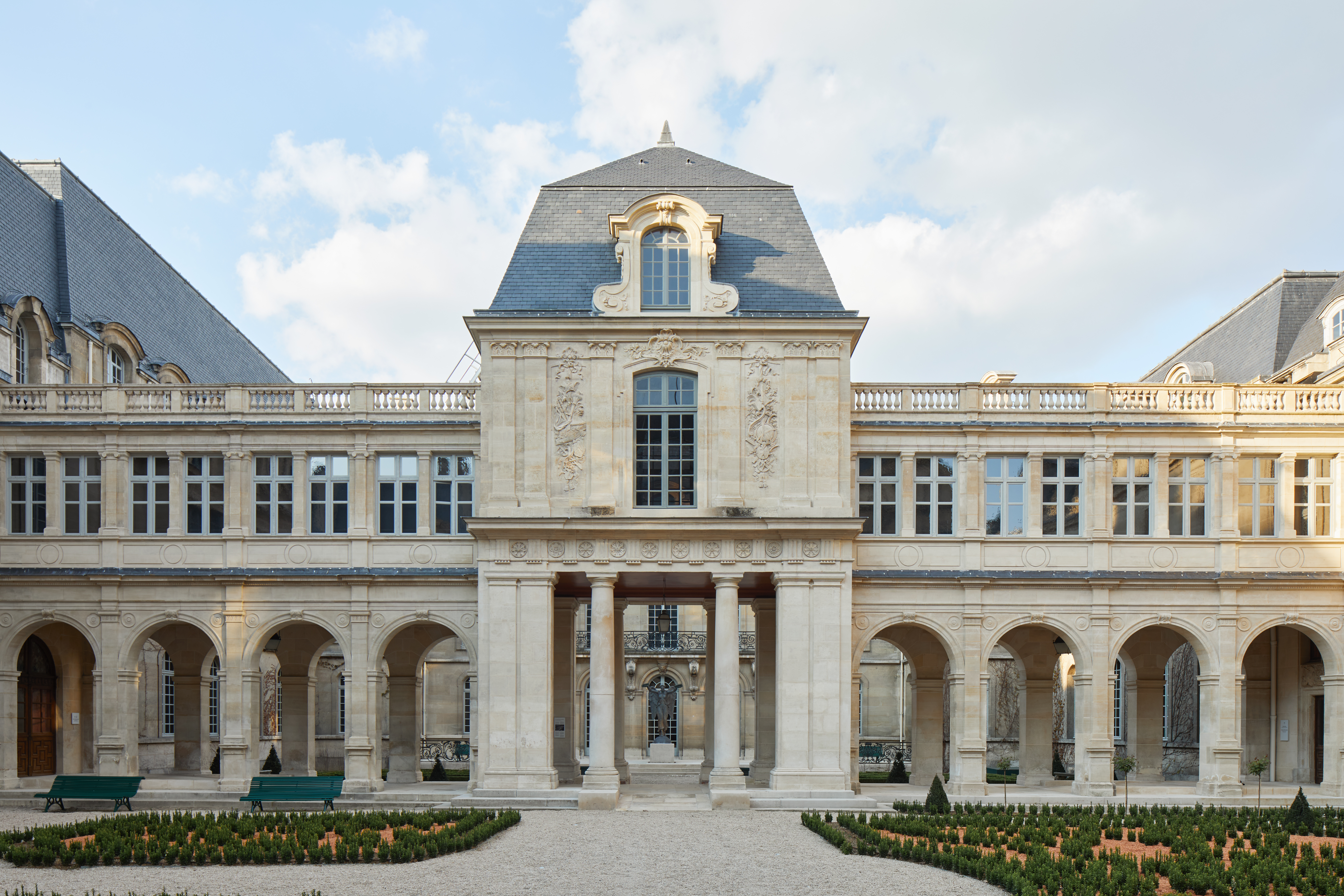
Occupying two former private mansions in Le Marais, Musée Carnavalet recounts the history of Paris through its collection of around 640,000 objects, encompassing fine art, design, historical artifacts, and ephemera. A selection of these are presented chronologically, guiding visitors on a journey through the capital in all its eras and guises, from prehistoric hunter-gatherers through the Roman Conquest, urban transformation, political and economic revolutions, to the present day.
What are some highlights of Musée Carnavalet’s permanent collection?
- Artifacts that tell the history of the city, ranging from a first-century Gallic coin and mascaron carving from the Pont Neuf, to a 1630s map of Paris and model of the 19th-century slum, The “Zone”
- Artworks related to the French Revolution (1789–1799), including a bust of Jean-Paul Marat, model of the Bastille, and engraving of King Louis XVI’s arrest at Varennes
What unique content does the Musée Carnavalet guide offer? You can:
- Encounter figures from the French nobility through portraits of King François I, Marie de Rabutin-Chantal, and Napoleon III with Baron Haussmann
- Discover unique examples of period decor, such as 17th-century ceiling paintings from Hôtel de Ribault and Chinoiserie panels commissioned by the Duke de Richelieu
- Hear the hard-worn history of Marcel Proust’s coat, used by the author year-round and, after his death, as an antiquarian’s fishing outfit
Musée des Arts Décoratifs
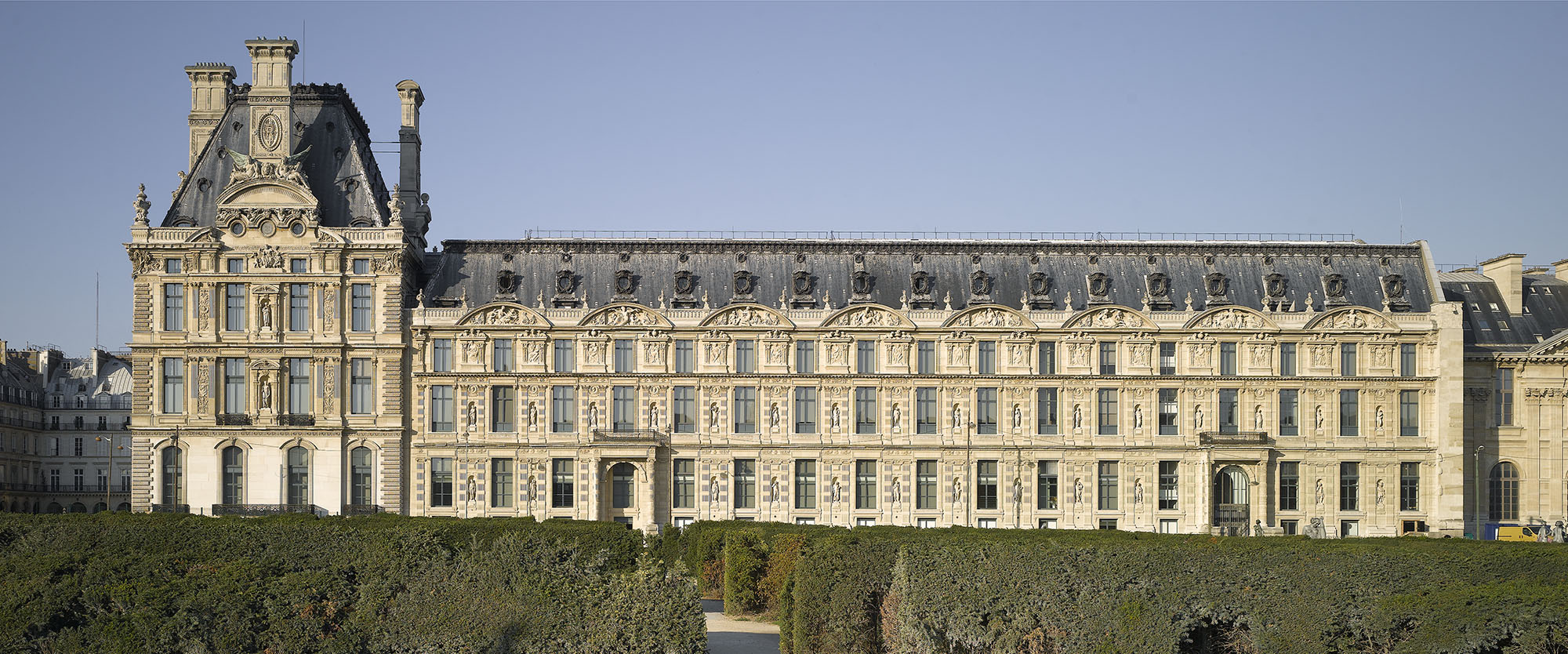
Musée des Arts Décoratifs is home to one of the world’s largest collections of decorative and applied arts, with over 1.5 million objects ranging from furniture, glass, and jewelry to wallpaper, tableware, and toys. Surveying the Middle Ages to the present day, the museum reflects humanity’s constant quest to unite beauty with utility. Their current exhibitions celebrate the centenary of Art Deco, and for the fashionistas, the haute couture creations of Paul Poiret.
What are some highlights of the museum’s permanent collection?
- A medieval hinged chest, one of the few to survive, and among the three oldest pieces of furniture preserved in a French public collection
- An unsurpassed Art Deco collection that represents some of the most iconic pieces and masterful creators from the 1920s–30s
- Quirky design solutions, including a heart-shaped hairdressing chair, hippo bathtub, and bookshelf stacked like a house of cards
What unique content does the Musée des Arts Décoratifs guide offer? You can:
- Learn how the evolving tastes of the 17th-century elite, political upheavals of 19th-century France, or international influences of our own era are reflected in design from these periods
- Delve into the past exhibitions archive, showcasing the goldsmiths of Maison Christofle, a history of intimacy from the 1700s to now, and the rise of department stores
mahJ – musée d’art et d’histoire du Judaïsme
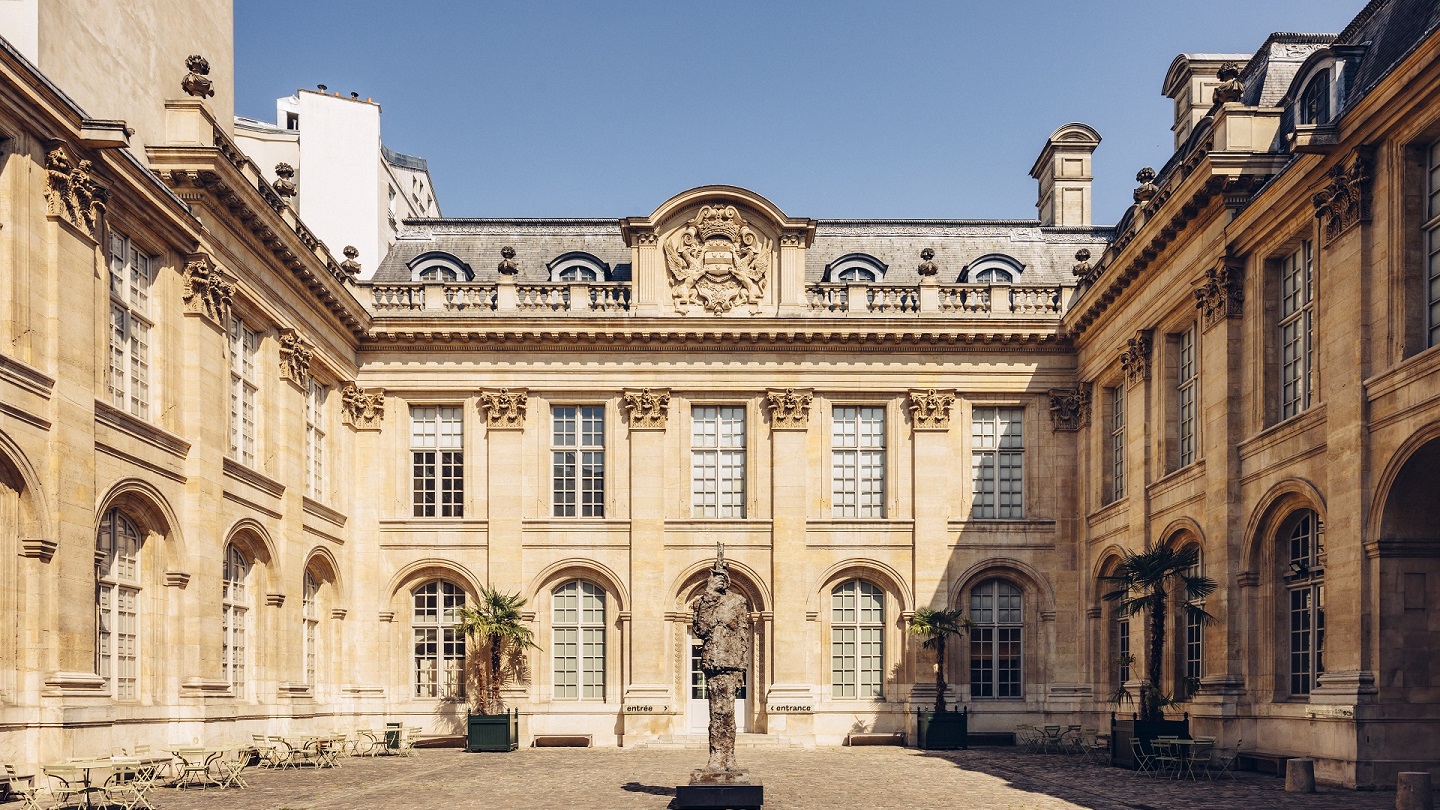
The musée d’art et d’histoire du Judaïsme (mahJ) presents the cultural heritage of Judaism in Europe and the Mediterranean from antiquity to now. The museum unites two collections, the first amassed by orchestra conductor Isaac Strauss in the 19th century and the second in 1948 by a group of Holocaust survivors in Montmartre. Their current exhibitions showcase pioneering photojournalist Denise Bellon, who witnessed the German occupation, and traveling performer Paula Padani, who “danced between worlds.”
What are some highlights of mahJ’s permanent collection?
- Jewish religious artifacts, including 14th-century liturgical poems, a 16th-century Torah scroll on gazelle skin, and an 18th-century Passover ritual
- Architectural marvels, such as a moveable wooden tabernacle, models of 15 Eastern European synagogues, and a bas-relief of Jerusalem
- Christian Boltanski’s memorial to residents of the museum building in 1939, many of whom were Jewish
What unique content does the mahJ guide offer? You can:
- Discover the fascinating history of the museum and the 17th-century Hôtel de Saint-Aignan that houses it
- Explore the museum displays thematically, choosing to follow either the history of the Jews in France or the rites and rituals of the Jewish calendar
- Take a family-friendly tour, structured as a 10-stop journey through time and space, focused on important Jewish festivals
MEP – Maison Européenne de la Photographie
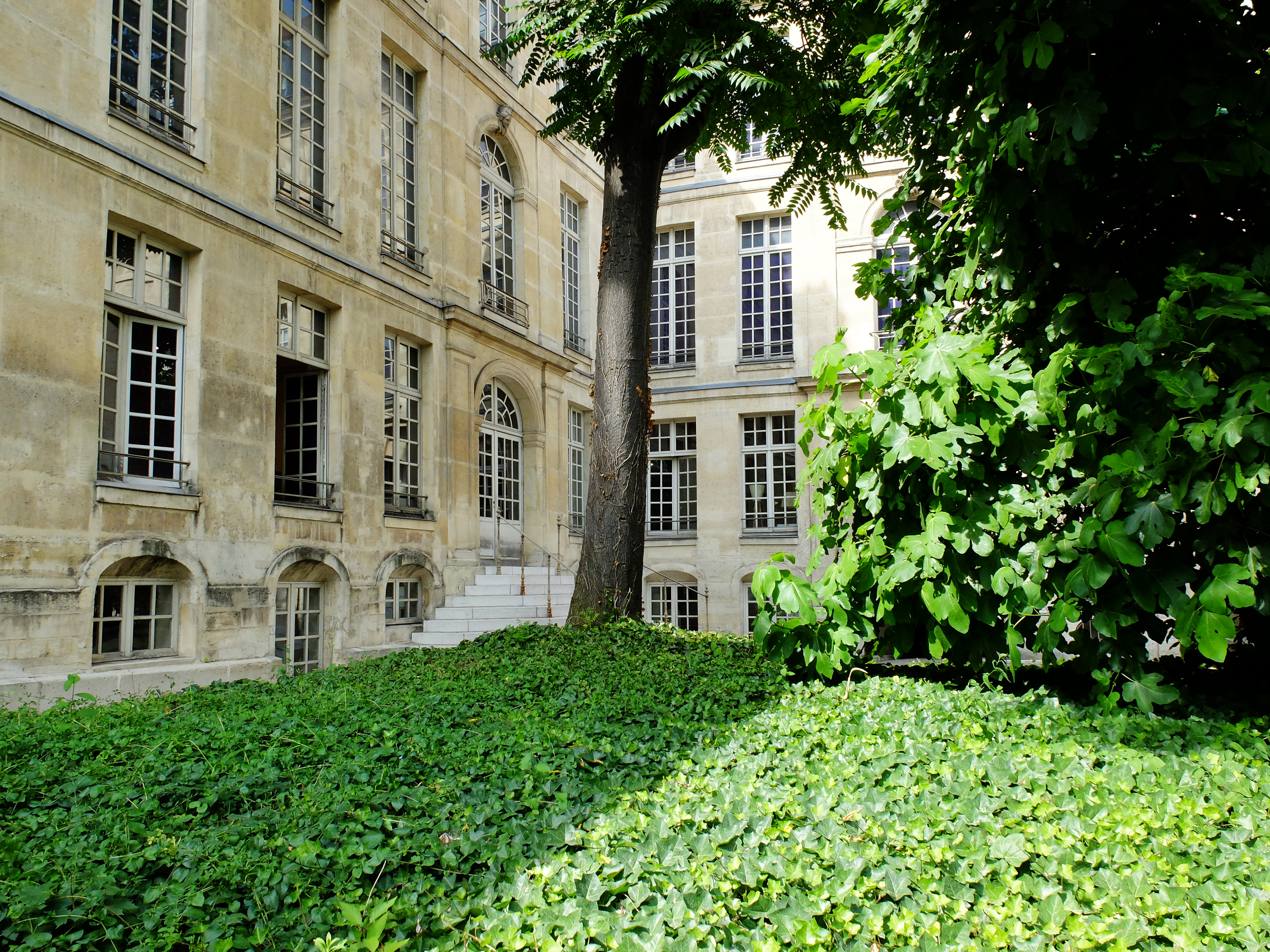
Located in a historic mansion in the centre of Paris, the Maison Européenne de la Photographie (MEP) is dedicated to international photography in all its forms. Showcasing the work of established and emerging practitioners alike, the MEP celebrates a diversity of artistic approaches and the enduring relevance of photography today. Their latest exhibitions focus on American photographers, placing Edward Weston’s modernist perspective alongside Tyler Mitchell’s first solo show in France.
What are some highlights to see during a visit to MEP?
- The MEP collection, which spans from the 1950s to the present day and brings together some of the greatest names from this period, is shown on rotation in their temporary displays
- Their library is the largest collection of photographic reference works in Europe, including over 40,000 books and periodicals, and nearly 700 films
What unique content does the MEP guide offer? You can:
- Learn the history of the MEP, which was founded in 1978 and has undergone several name and venue changes over the years
- Hear the life story of British photographer Dennis Morris, who documented immigrant communities in London and music icons such as Bob Marley and the Sex Pistols
- Discover the visual history of plants from the 19th century to now, through early gelatin silver prints, ecological performances, and speculative fictions
Paris has an abundance to offer the culturally curious. Let Bloomberg Connects be your guide as you explore the city – leading you to undiscovered gems in your vicinity or the untold stories behind familiar landmarks.