Escape to Tuscany: Experience Siena’s vibrant arts and culture on Bloomberg Connects
August 15, 2025
Explore highlights in Siena and its surrounding countryside, immersing yourself in the museums of the Fondazione Musei Senesi network: where regional cultural attractions tell the story of Tuscany from prehistory to today. With over 40 different sites to discover, there’s something to suit every interest – whether you’re passionate about castles, churches, crystal, or cinerary urns. Delve into history, tour the collection highlights, and hear from the experts as museum staff introduce their favorite works on Bloomberg Connects
Museo Civico, Archeologico e della Collegiata, Casole d’Elsa
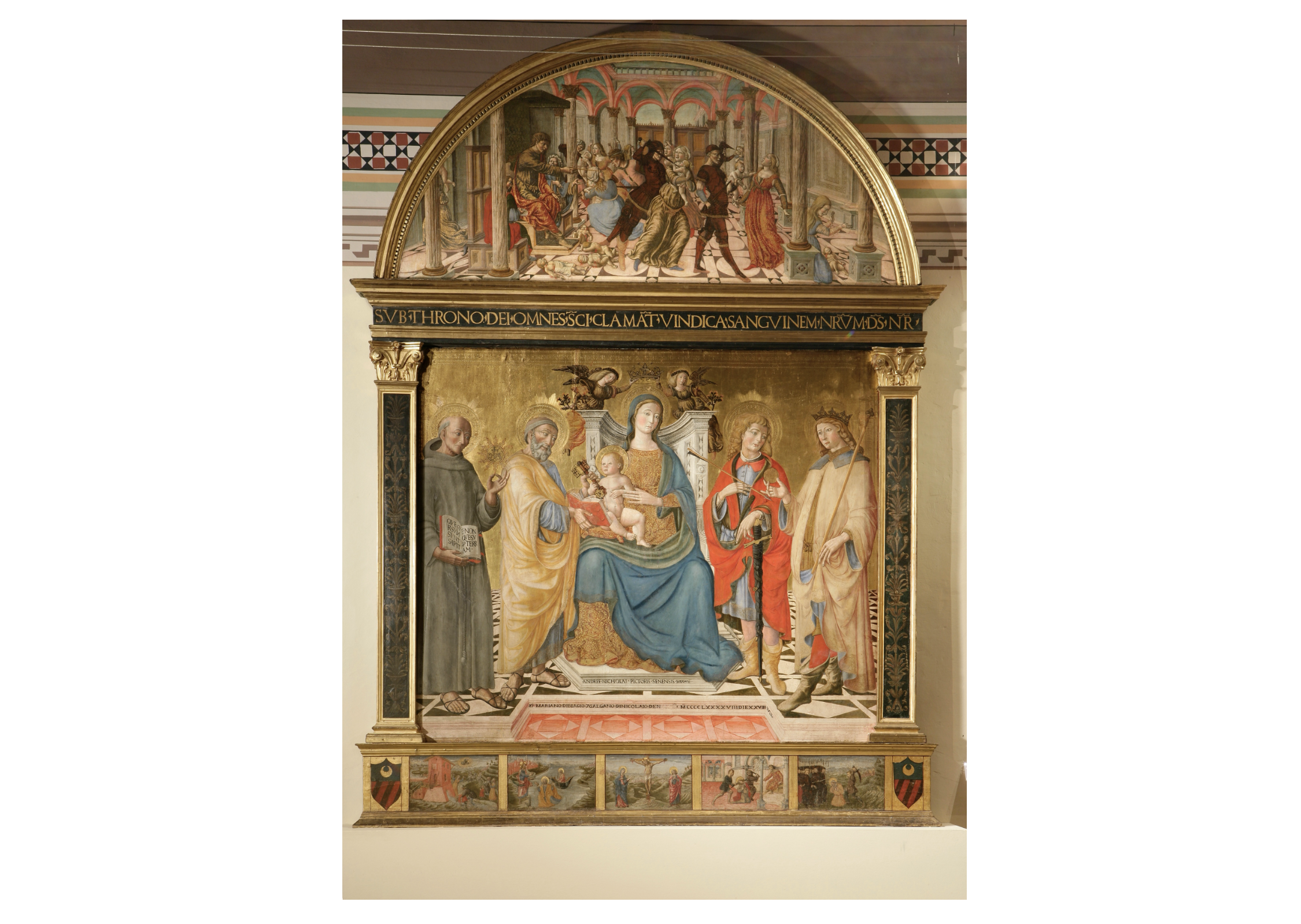
Within the castle walls of Casole d’Elsa, the Museo Civico Archeologico e della Collegiata explores Tuscan art and culture from the Iron Age to the 20th century. This museum presents Etruscan tuff urns, Greek-style pottery, Gothic sculpture, 14th-century funerary monuments, and masterpieces from the medieval to the modern.
The marble Bargagli Head (6th century BC) is a favorite of Linda Gabriele, who works for the Municipality of Casole d’Elsa as the museum coordinator: she praises the female deity’s “intense and distinctive gaze.” This is accompanied by the medieval Prophet’s Head, attributed to the Sienese sculptor Marco Romano, who also created the funeral monument to Messer Porrina (c. 1313). The museum’s painting collection reflects the region’s religious heritage, with several depictions of the Madonna and Child, including a tender portrayal by the Maestro della Maestà Cini (c. 1320) and a larger figural grouping by Alessandro Casolani (c. 1580).
Museo Archeologico del Chianti, Castellina in Chianti
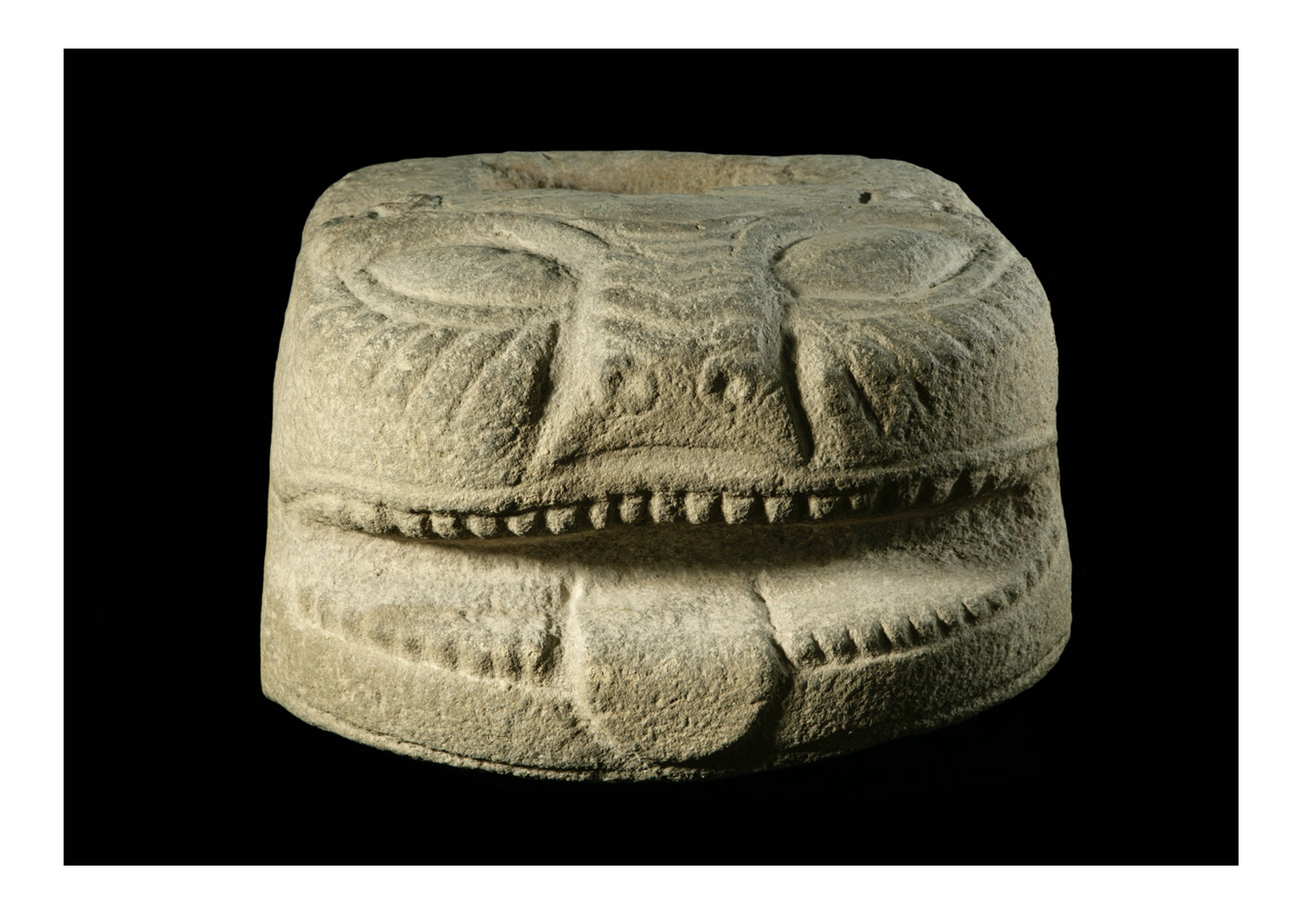
Located in a medieval fortress, the Museo Archeologico del Chianti is a Tuscan history museum that tells the story of the region in antiquity, spanning from hillside shepherds (4,000 years ago) to Etruscan princes (7th century BC) and fortified settlements (3rd century BC).
Views from the museum tower include the surrounding vineyards of Chianti. Wine is a recurring theme in local archaeological finds, such as Attic black-figure vases and bronze wine jugs. Visitors may be surprised to learn that Etruscans used graters to add cheese to their wine, creating a drink called kykeon. Collection highlights also include an Etruscan chariot, game tokens, silver hairpins, and a lion’s head carved from sandstone. These artifacts are contextualized by multimedia projections, animations, and photographs.
Museo di Storia Naturale Accademia dei Fisiocritici, Siena
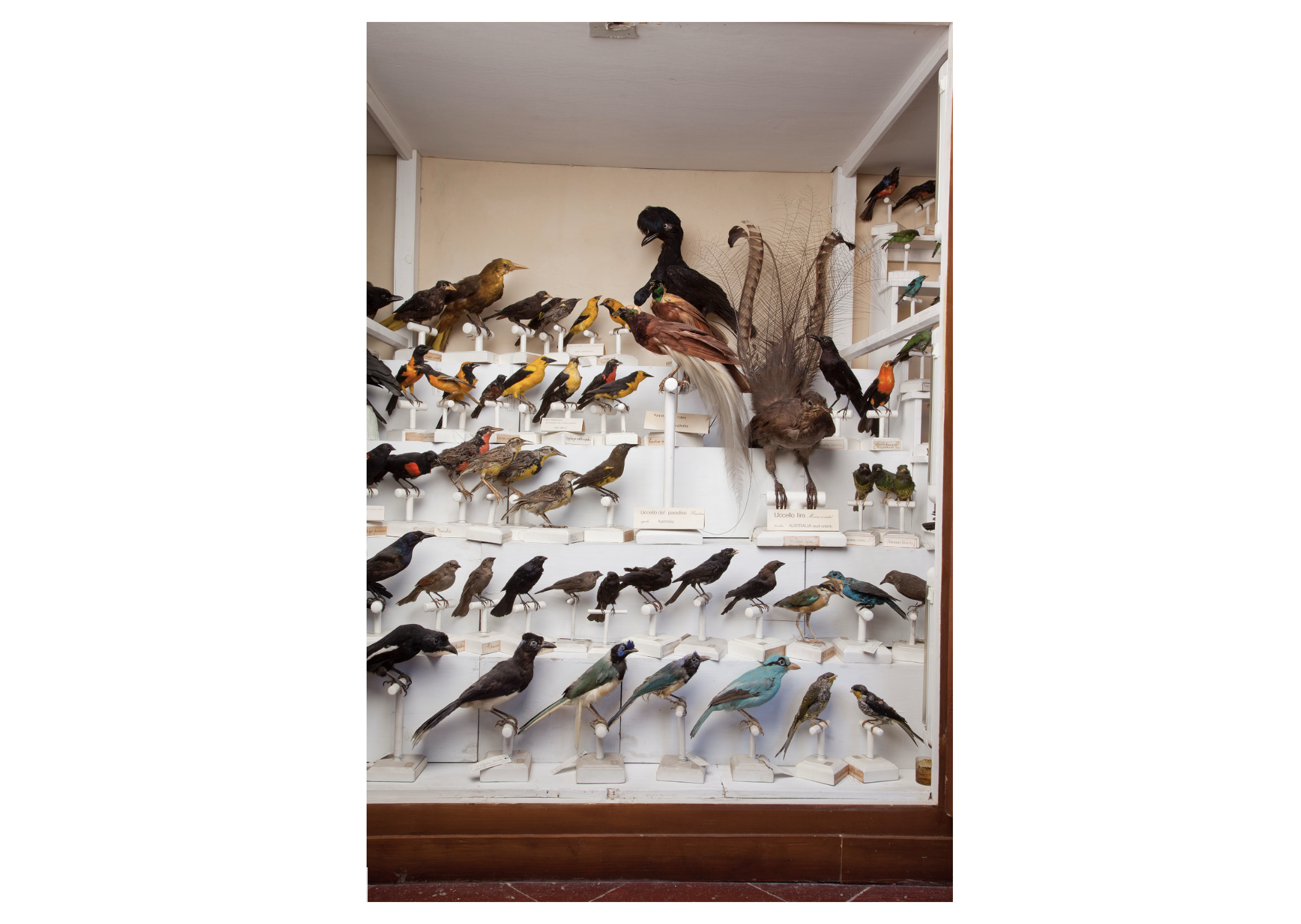
One of the oldest and most prestigious scientific museums in Tuscany, the Museo di Storia Naturale dell’Accademia dei Fisiocritici preserves natural specimens, historical instruments, and fascinating curiosities, including a fan-favorite, Nereo, – the vast skeleton of a common fin whale.
Exhibited in 19th-century style, the display includes a cabinet of curiosities and taxidermy from the late 18th century. Collection highlights include scientific artworks, such as accurate anatomical plates by Paolo Mascagni and over a thousand terracotta fungi by Francesco Valenti Serini. The museum’s vast array of natural specimens includes tropical marine molluscs, a prehistoric megalodon shark tooth, mineral waters from the province, and samples of marble used to construct the Duomo di Siena.
Palazzo Corboli, Asciano
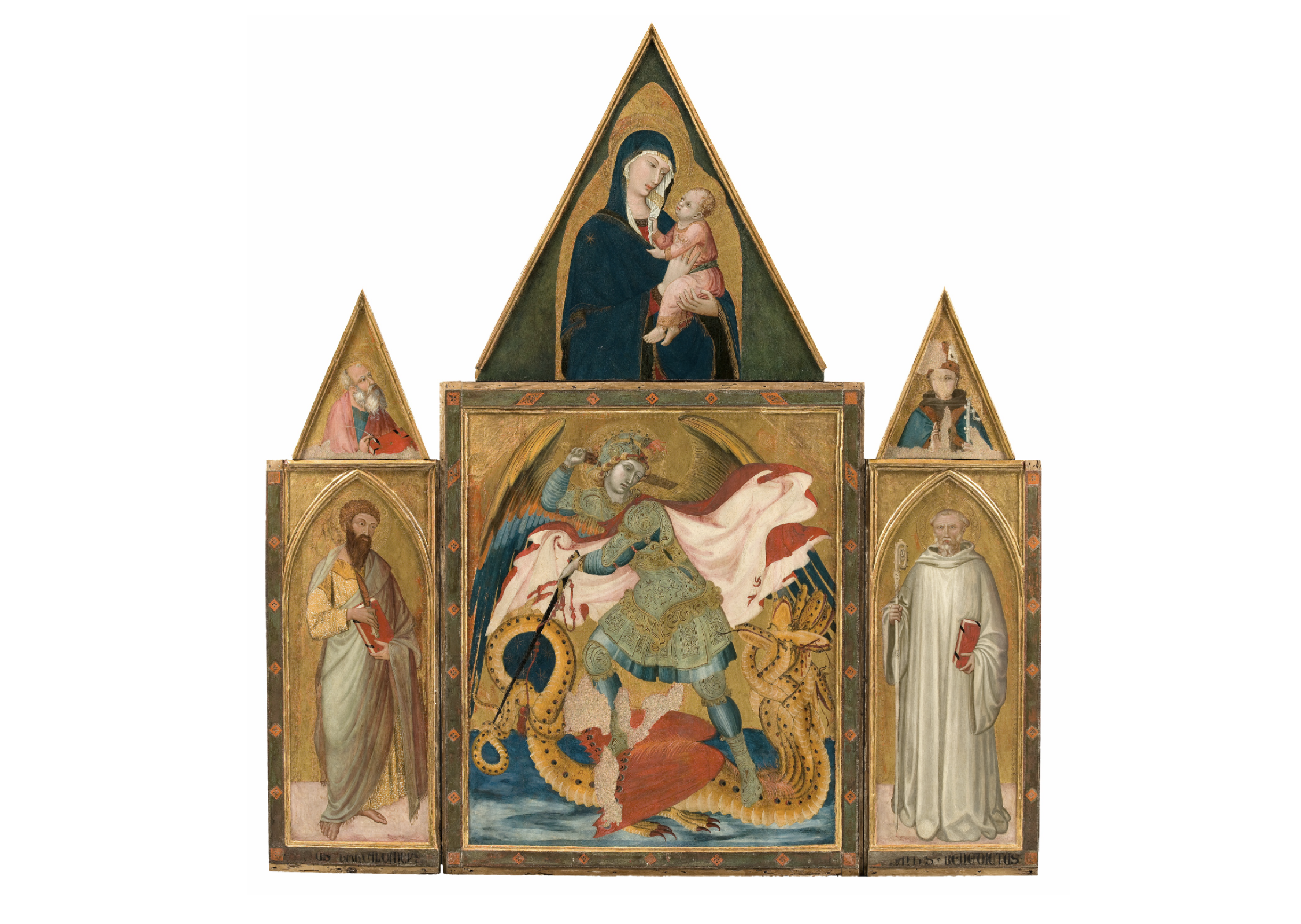
The Museo Civico, Archeologico e d’Arte Sacra Palazzo Corboli, in the hill town of Asciano, is one of the many cultural attractions within 40 minutes of Siena. The museum’s collection includes sacred art from the 13th through the 17th centuries, Etruscan-Roman archaeology, and Archaic ceramics in the Asciano tradition.
Their rarest and most prestigious item is an Etruscan chariot (c. 7th-6th century BC), discovered during excavations in the 1980s and carefully restored. Other highlights include a Gothic crucifix (c. 1290) by Giovanni Pisano, one of the great sculptors of the Italian Middle Ages, and a medieval altarpiece (c. 1337) by Ambrogio Lorenzetto, which shows the Archangel Gabriel weighing souls while defeating the devil.
Museo della Mezzadria Senese, Buonconvento
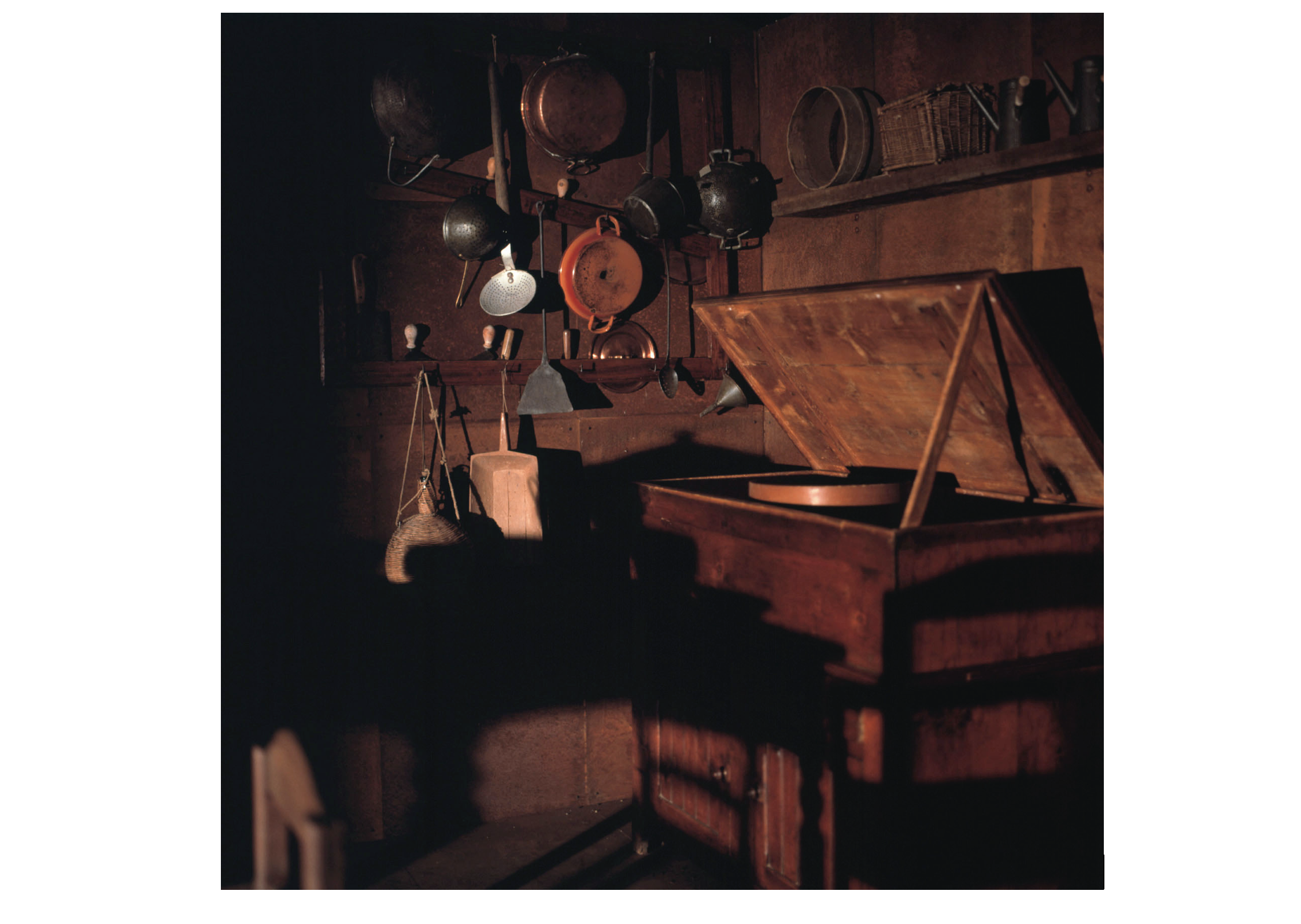
Only a beautiful drive through the heart of the Val d’Arbia from Siena, Buonconvento is home to the Museo della Mezzadria Senese, which celebrates the ancient agricultural traditions that have defined the Tuscan countryside. Offering an immersive experience through period photographs, objects, music, and films, the museum invites visitors into the bygone world of sharecropping. This system, in which tenant farmers shared half their harvest with landowners, ended in 1964.
The reconstructed farmhouse offers a glimpse into peasant life and domestic arrangements, with its large kitchen as the heart and hearth of family gatherings. Humble items such as the kneading trough or wash basin provide insight into daily diet and chores, while farming implements such as the grinder and thresher tell the story of a different age of agriculture.
Museo Civico Archeologico di Sarteano, Sarteano
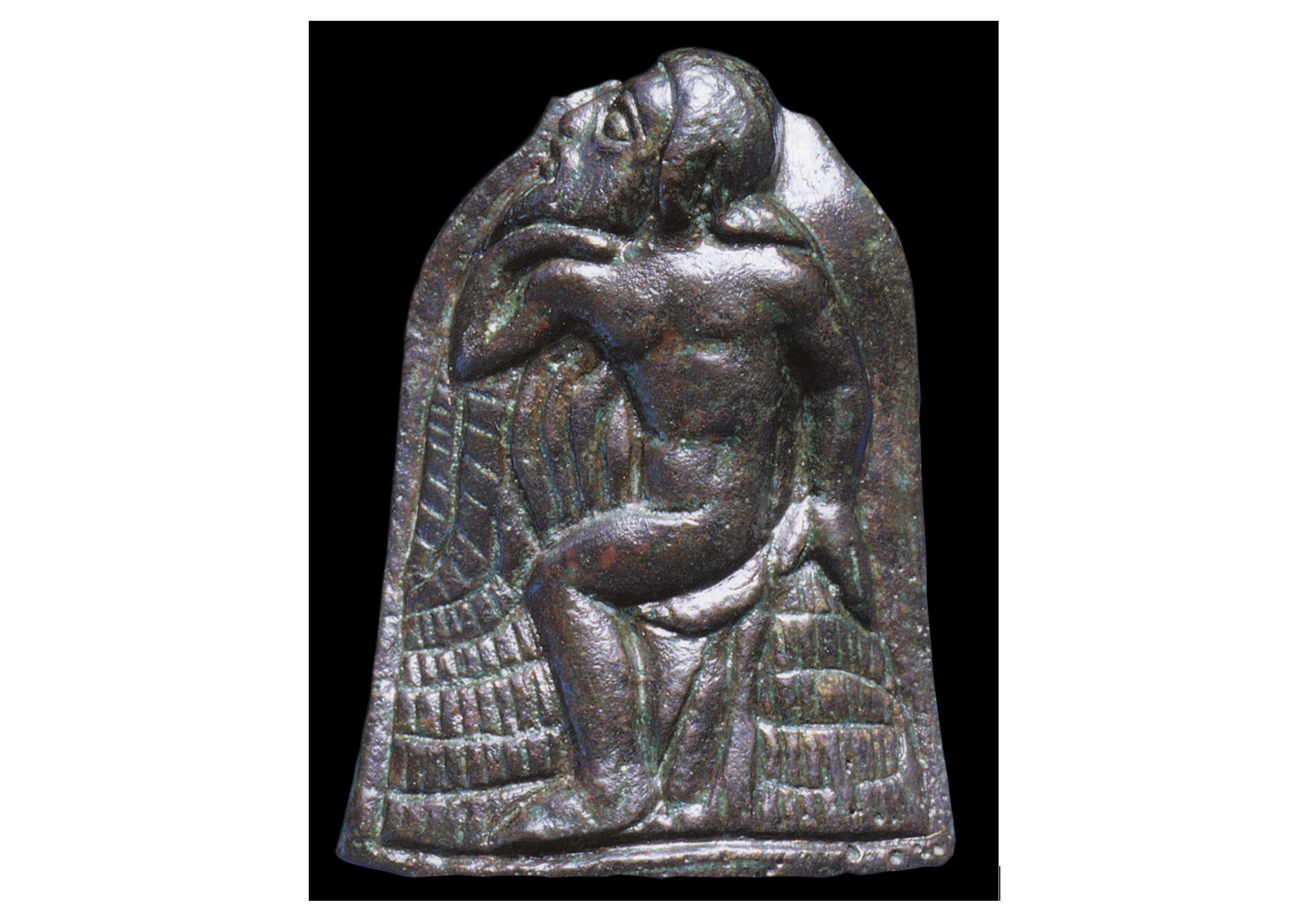
The Museo Civico Archeologico is housed in one of the most significant buildings in Sarteano, the 16th-century Palazzo Gabrielli. Their celebration of local Etruscan heritage is displayed chronologically from the 9th to the 1st century BC. This includes burial goods from nearby necropolises and a life-size reconstruction of the Tomb of the Infernal Chariot, with depictions of Charon, a three-headed serpent, and a symposium of the dead.
One of the museum’s most important objects is a female canopo (funerary urn) from c. 610 BC, in which she is seated on a travertine throne and holding a double-headed terracotta axe. As museum director Alessandra Minetti explains, this work is unusual in showing “a woman who, in such ancient times, already held symbols of power in her hands.” The canopo is presented alongside the largest funerary sculptural group found in the area and one of the oldest funerary cippus of its kind.
The Fondazione Musei Senesi is the official museum system for the province of Siena, Italy. Together, their institutions promote knowledge of the Tuscan region, its local communities, historical traditions, and distinctive landscapes. You can discover over 40 individual guides on Bloomberg Connects by searching ‘Fondazione Musei Senesi’ in the main search bar.